
Integrating Sand and Dust Storms Risk Reduction into Disaster Resilience Strategies
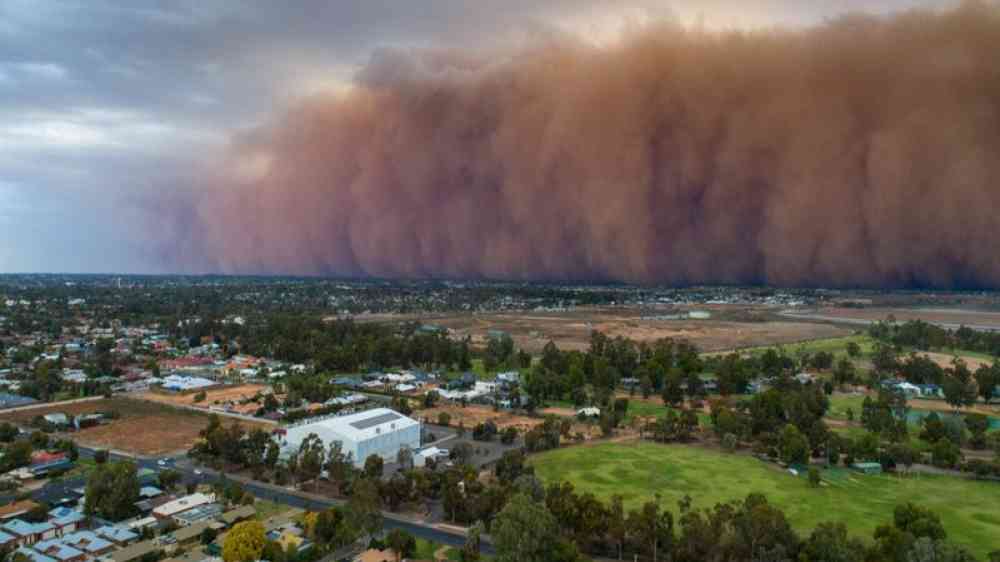
The urgency of addressing Sand and Dust Storms (SDS) as significant transboundary hazards is globally recognized. This side event aims to advocate for the effectively integration of SDS risk reduction into disaster risk reduction strategies. Annually, these storms disperse an estimated 2 billion tonnes of dust across over 150 countries, affecting human health, agriculture, infrastructure, and ecosystems. The economic impact can reach hundreds of millions of dollars per event, underscoring the critical need for robust disaster risk reduction (DRR) strategies.
Despite the scale of these impacts, SDS risks remain underrepresented in national DRR frameworks. Reference is made to A/RES/78/314 on the United Nations Decade on Combating Sand and Dust Storms (2025-2035). This oversight persists even though the United Nations General Assembly has declared 2025-2034 as the Decade on Combating Sand and Dust Storms, emphasizing the need for concerted global action. This declaration highlights the threat posed by SDS to achieving 11 of the 17 Sustainable Development Goals (SDGs).
This side event aims to provide pivotal platform for advancing the integration of SDS management within national and local DRR strategies, encouraging cross-sectoral collaboration, and strengthening governance mechanisms to enhance preparedness and response. By focusing on understanding the multi-dimensional impacts of SDS, the event will foster better recognition of these hazards within global DRR frameworks. It aligns directly with the Sendai Framework’s goals, particularly in understanding disaster risk and strengthening disaster risk governance, contributing significantly to global efforts in disaster risk reduction and resilience. Through this event, participants will gain insights into scalable and inclusive strategies to mitigate vulnerabilities associated with SDS, leveraging guidelines developed in collaboration with UN agencies like APDIM, UNDRR, WMO, UNCCD, and FAO for monitoring and reporting SDS impacts. This will bolster a robust evidence base that informs resource allocation and policy-making, thereby enhancing the design of effective mitigation strategies and driving progress towards sustainable development.
Session objectives
The key objectives of this side event are to:
- Raise awareness of policymakers and practitioners about the growing risks and challenges posed by sand and dust storms (SDS), including climate variations as an exacerbating factor, on public health, ecosystems, and economies by quantifying their socio-economic impact.
- Share strategies and practical solutions for integrating SDS risk reduction and management into national and local disaster risk reduction (DRR) frameworks.
- Foster multi-sectoral and multi-stakeholder collaboration among the national disaster risk and SDS focal points to promote knowledge exchange, best practices, and coordinated resilience-building efforts, including by aligning SDS monitoring and early warning with Early Warning for All efforts.
- Suggest opportunities for transboundary, regional and interregional cooperation to reduce the risk and negative impacts of SDS through effective exchange of data, information and expertise.
Expected outcomes include heightened awareness of SDS as a critical hazard to be mainstreamed in national disaster management plans, actionable insights for policy integration, and stronger partnerships among stakeholders to enhance resilience against SDS risks.
Moderators:
- Ms. Letizia Rossano, Director, APDIM, ESCAP
- Ms. Carol Chouchani Cherfane, Director, ACCCP, ESCWA
Speakers:
- TBD
Organized by
- ESCAP and ESCWA, co-chairs of the United Nations Coalition on Combating Sand and Dust Storms
- Coalition includes 20 UN agencies and non-UN agencies: ESCAP, ESCWA, CBD, FAO, ICAO, ITU, IUCN, UNCCD, UNDESA, UNDP, UNDRR, UNECE, UNEP, UNFCCC, UN-Habitat, UNITAR, UNU, WHO, WMO, World Bank
Agenda
06 Jun 2025
12:45 - 14:15 (CEST+0 Europe/Berlin)
Location
Lausanne Room
CCV
CCV
Online access
Details
Accessible
International sign
Cart
Contact
Niloofar Sadeghi Komjani
[email protected]
Onsite Accessibility