
SE2: Extreme heat risk governance
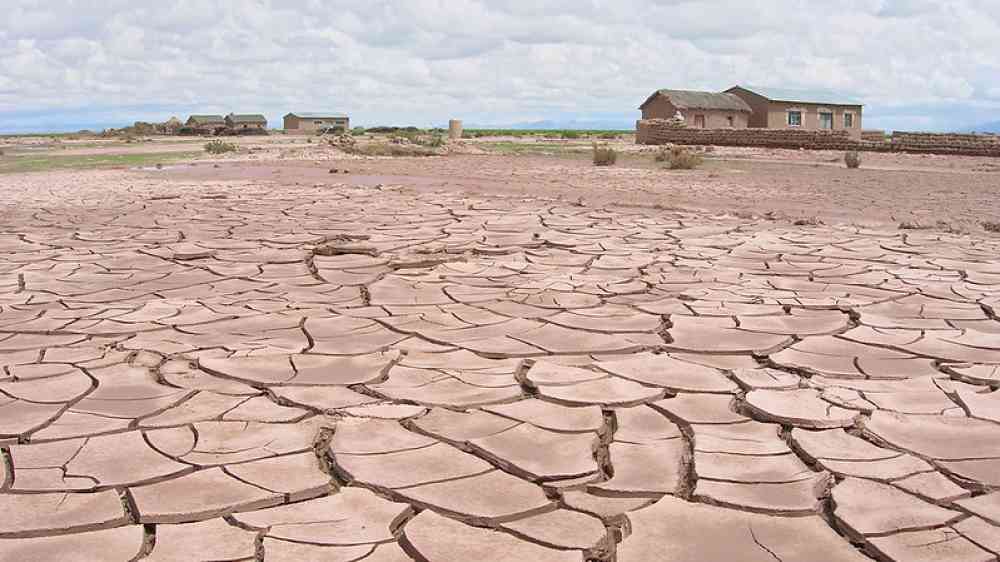
This special event on extreme heat will convene leaders and decision-makers to discuss the urgent need for coordinated and integrated action to tackle the risks of extreme heat. In line with the United Nations Secretary-General’s Call to Action on Extreme Heat, the session will contribute to the ongoing development of a common framework for extreme heat risk governance.
It will examine experiences in, and opportunities for integrated, multi-sectoral and multi-scale approaches addressing extreme heat risk drivers and impacts. Participants will share national and local experiences, identify opportunities for coordinated governance, and explore how public and private actors can scale up investments, policies, and institutional arrangements to reduce extreme heat risk and protect the most vulnerable. The event will gather inputs and commitments to support advancing extreme heat risk governance in countries and globally.
UNDRR Focal Points:
- Ms. Loretta Hieber Girardet
- Mr. Marc Gordon
Guiding Questions:
- What are key lessons learned from past extreme heat events and how these have shaped the evolution of national governance approaches to heat risk reduction?
- What actions can your country or organization take to apply the Common Framework and support effective heat action across sectors and scales in the short, medium, and long term?
- What specific measures has your country (or city) taken to ensure the resilience of the most vulnerable groups against extreme heat risks?
- How can countries strengthen institutional and policy arrangements for heat risk governance to ensure clear coordination and shared responsibilities across Ministries, departments, and non-state actors?
- How can coordination between municipal governments and national authorities be improved to ensure effective and unified responses to extreme heat risks, and what role do city-level actions play in shaping national heat risk governance strategies?
- How can the financial sector play a more direct role in supporting heat resilience through risk-informed investment, and what incentives can be implemented to encourage this sector to integrate extreme heat risk reduction into its decision-making processes and behaviours?
- Given the transboundary nature of extreme heat risks, how can national, regional, and international efforts be more effectively aligned to address the systemic challenges posed by extreme heat, especially in urban areas and vulnerable communities?
- What commitments and support are necessary from international actors to effectively apply the Common Framework for Extreme Heat Risk Governance?
Live stream:
Moderator:
- Juli Trtanj, co-Chair, Global Heat Health Information Network (GHHIN) and Senior Advisor on Climate, Environment and Health, Inter-American Institute for Global Change Research (IAI)
Speaker:
- PK Mishra, Principal Secretary to the Prime Minister, India
- Kamal Kishore, Special Representative of the UN Secretary-General for Disaster Risk Reduction
- Celeste Saulo, Secretary-General, WMO
- Rosa Galvez, Senator, Canada
- Benoit Faraco, Conseiller à l'Elysée, Energie, Environnement, Transport et Agriculture, France
- Ousmane Ndiaye, Director General, ACMAD, and former Director, of the Senegalese Meteorological Service
- Mia Seppo, Assistant Director-General, ILO
- Jagan Chapagain, CEO and Secretary General, IFRC
Agenda
05 Jun 2025
14:30 - 16:00 (CEST+0 Europe/Berlin)
Location
Plenary A
CICG
CICG
Online access
Remote participation available to those registered for the conference
Live stream available to all
Details
Accessible
International sign
Cart
Onsite Accessibility
Onsite accessibility